Car Key Replacement by Vehicle Brand: What the Process Actually Involves
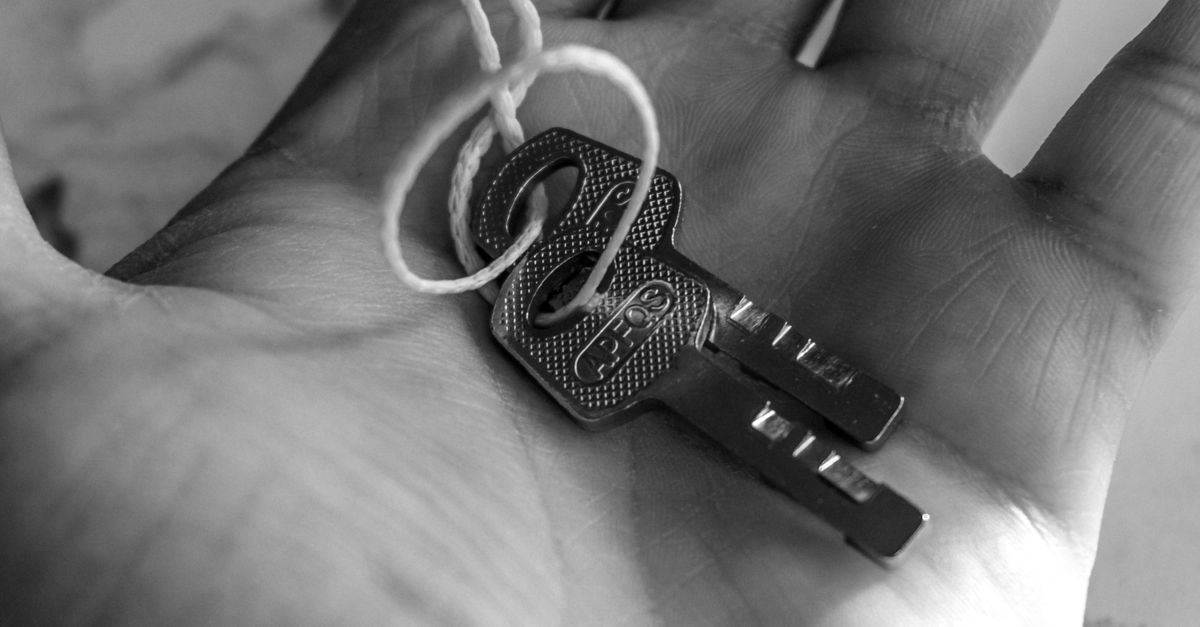
Not all replacement car keys are created equal, and the process your technician follows depends entirely on the technology your vehicle uses. A basic metal key for an older domestic vehicle requires precise cutting to match the factory cuts — a skill that demands calibrated equipment and trained hands, not just a hardware-store duplicator. Transponder keys, introduced widely in the mid-1990s, add a programmed microchip that must communicate a rolling or fixed code to the car's immobilizer before the engine will start. Cut the key perfectly and skip the programming step and the car simply will not start. Our technicians handle both steps simultaneously on-site, saving you a trip to a dealership and hours of waiting.
Smart keys and proximity fobs take complexity further. These devices use rolling encryption, paired with push-button ignition systems, and require brand-specific diagnostic software to register a new fob to the vehicle's body control module. Toyota and Lexus smart keys, for instance, use a different pairing protocol than a Ford or Lincoln with PATS technology, which again differs from BMW's EWS or CAS immobilizer systems. Hyundai, Kia, and Genesis vehicles introduced their own encrypted systems in recent model years that require the original PIN or dealer records to authorize a new key — our technicians are experienced with these requirements and carry the equipment to handle them properly. If you are unsure what type of key your vehicle uses, call 773-830-2610 and describe your car; we will tell you exactly what the job involves before we ever leave our shop.