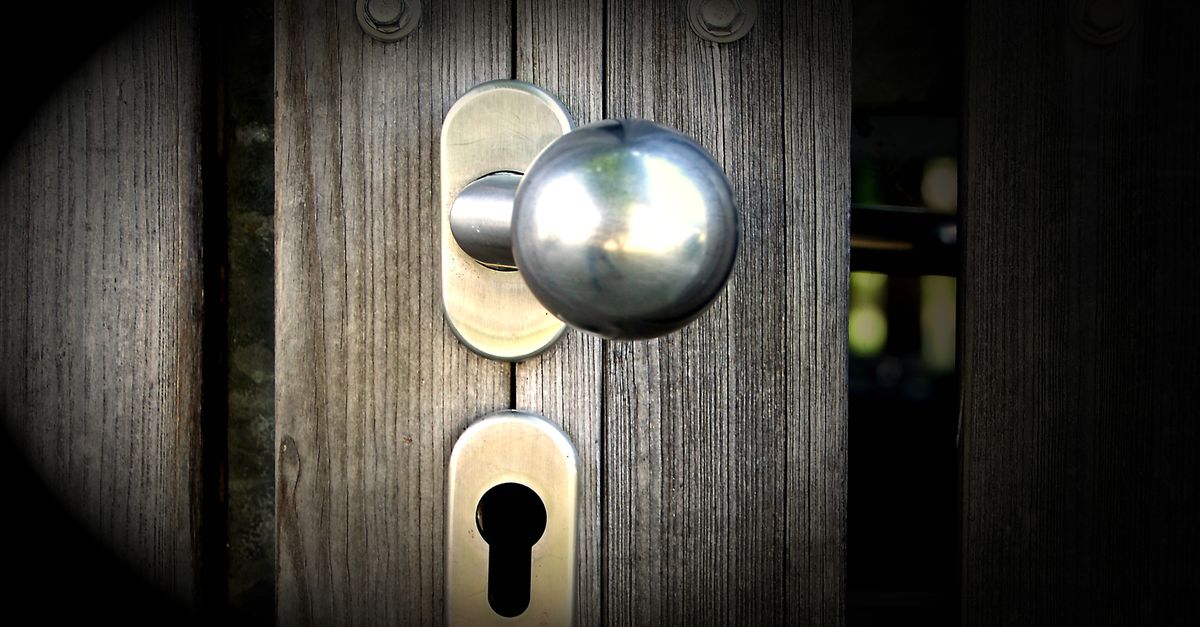

What Forced Entry Actually Does to Your Locks and Frames
Most people focus on what was taken during a break-in, but the greater long-term risk is the damage left behind. A kicked or shouldered door rarely just breaks the lock — it splits the door jamb, shears the strike plate screws out of soft wood framing, and can crack the door itself. A mortise lock, which sits inside a routed pocket in the door edge, is particularly vulnerable to prying and twisting attacks: the lock body can be fractured, the cylinder sheared, or the cam mechanism bent beyond re-use. Simpler door knob locks are even easier targets, which is exactly why understanding how burglars exploit them matters for prevention rather than replication. The short answer is that knob locks offer very little resistance to lateral force — they were never designed as a primary security device, and our team will tell you that honestly when we assess your door.
A thorough post-break-in inspection covers every layer: the cylinder, the lock body, the strike plate, the door frame, the hinge side, and even secondary entry points like windows or garage doors that an intruder may have tested. Skipping any one of those layers leaves a gap. Our technicians document each point of damage, explain what they found in plain language, and confirm an exact up-front price for all parts and labor before a single screw turns. Factors that shape the final quote include the type and grade of lock involved, the extent of frame damage, the parts required, the time of day, and travel distance — so your quote reflects your specific situation, not a one-size figure.