Why Smart Lock Installation Is More Involved Than It Looks
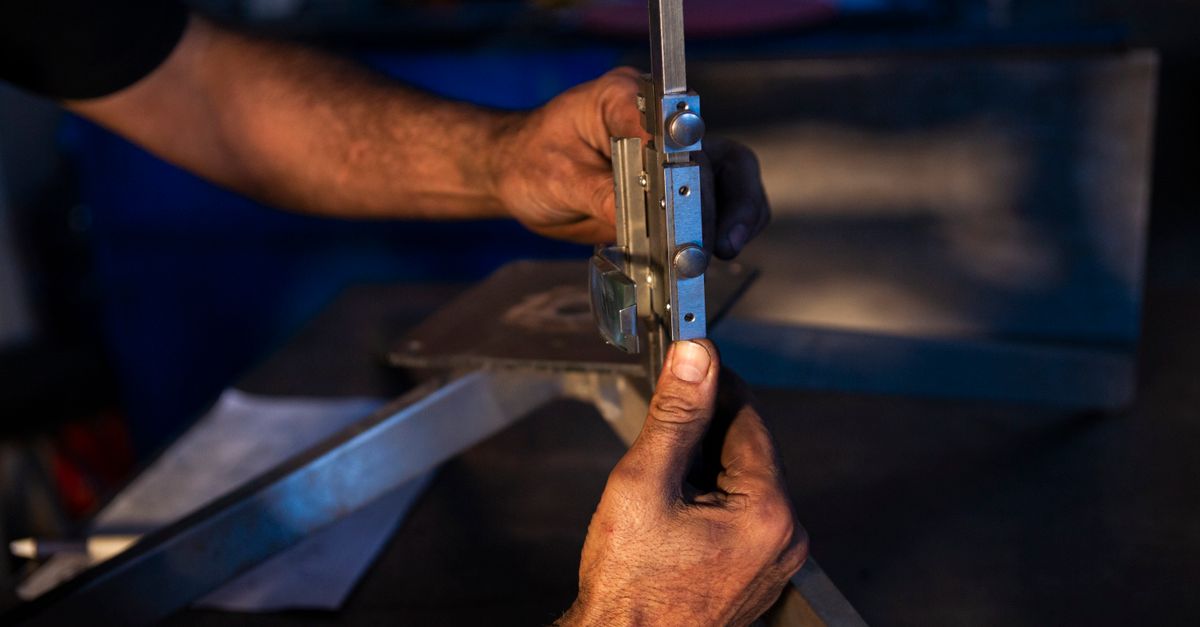
Swapping a standard deadbolt for a smart lock sounds straightforward until you open the door edge and find a mortise lock pocket, an oddly spaced cross bore, or a multi-point locking system buried in a steel entry door. These situations are extremely common in Chicago's older housing stock, where buildings constructed between the 1890s and 1950s used deep mortise lock assemblies that bear no resemblance to the cylindrical prep work most smart locks are designed for. A standard big-box retrofit kit simply will not seat correctly in a mortise cutout, and forcing it risks splitting the door stile or leaving exposed gaps around the strike plate — both security liabilities. Our technicians identify these conditions on arrival and either source a mortise-compatible smart lock (several Schlage and Kwikset lines include mortise-format smart cylinders) or recommend the cleanest conversion path for your specific door.
Beyond the mechanical fit, smart door lock installation involves pairing the device to a hub, Wi-Fi network, or Z-wave controller, configuring access codes, setting auto-lock timers, and verifying that the door's alignment does not cause false-jam errors that drain the battery in days. We handle the full setup — hardware, firmware update if needed, and app walkthrough — so you leave knowing exactly how your system works. Damage-free installation is our standard approach: we use the existing prep holes wherever possible and only drill or chisel when the door genuinely requires it, with your approval first.