What Is a Mortise Lock and Why Chicago Homes Have So Many of Them
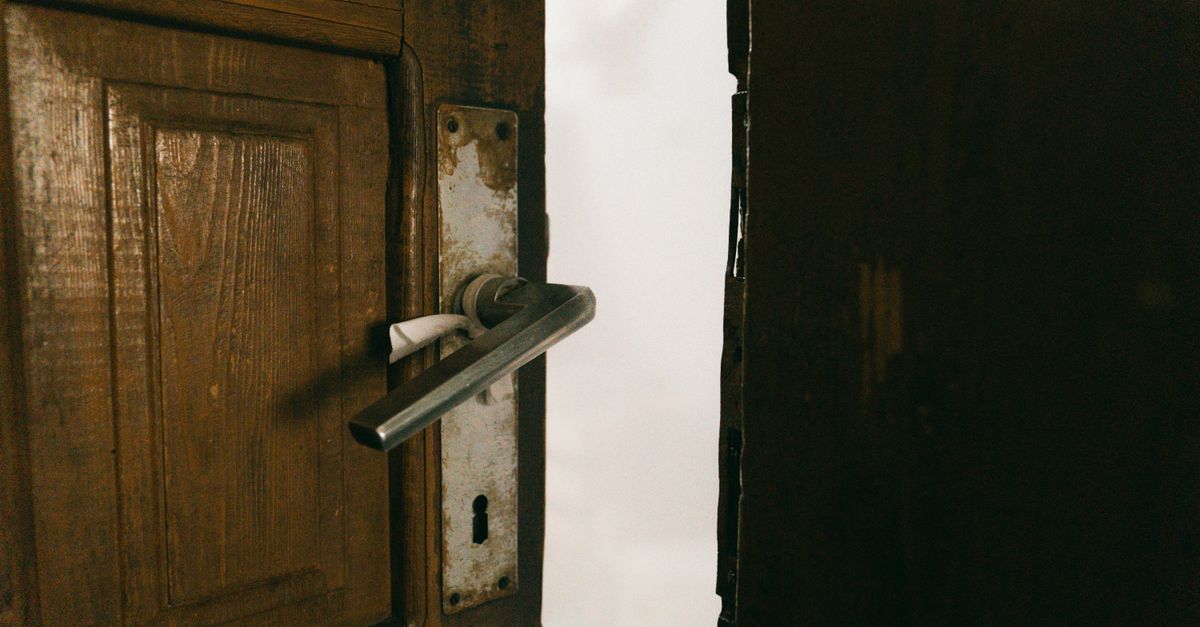
A mortise lock differs fundamentally from a cylindrical or bored lock — the kind sold at big-box hardware stores today. Instead of sitting on the face of the door, the entire lock body is mortised into the door itself, leaving only the trim, handles, and cylinder escutcheons visible. This design distributes force across a much larger section of the door stile, making it inherently more resistant to kick-in attacks than a standard door knob lock. Chicago's building boom between roughly 1880 and 1930 coincided with the peak of mortise lock manufacturing, which is why you'll find them throughout Pilsen's worker cottages, in the courtyard apartments near Wrigley Field, and in the greystone two-flats that define so many North Side blocks. Builders of that era specified commercial-grade hardware throughout, and brands like Corbin Russwin mortise lock units and Baldwin mortise lock sets were the standard of the day — products that were built to serve busy households for a century.
Understanding the internal anatomy helps explain why professional service matters. Inside the lock body you'll find a latch bolt, a dead bolt or dead latch, a set of internal cams connected to the knob spindle, a strike-side roller or hub, and one or more springs. The mortise lock cylinder — the plug that accepts your key and transfers rotation to those internal cams — is a separate, replaceable component threaded into the face of the lock body. When a key breaks in the cylinder, when the cam wears and the bolt no longer fully throws, or when the springs give out and the latch stops retracting, a skilled locksmith can disassemble the body, source matching replacement parts, and rebuild the mechanism in place. That is always our first recommendation for a door with original hardware that fits the building's historic character.